
If you own an older home and you are planning to paint, remodel, or do carpentry, testing for lead paint comes before the work, not after. The reason is simple: intact lead paint on a wall is low risk, but the moment you sand, scrape, or cut into it, you create lead dust, and lead dust is the real hazard. Knowing what is on your surfaces before anyone disturbs them is how you keep a routine project from becoming a health problem.
Which homes are at risk
The cutoff that matters is 1978, the year lead-based paint was banned for residential use in the United States. If your home was built before then, assume it may contain lead paint until a test proves otherwise.
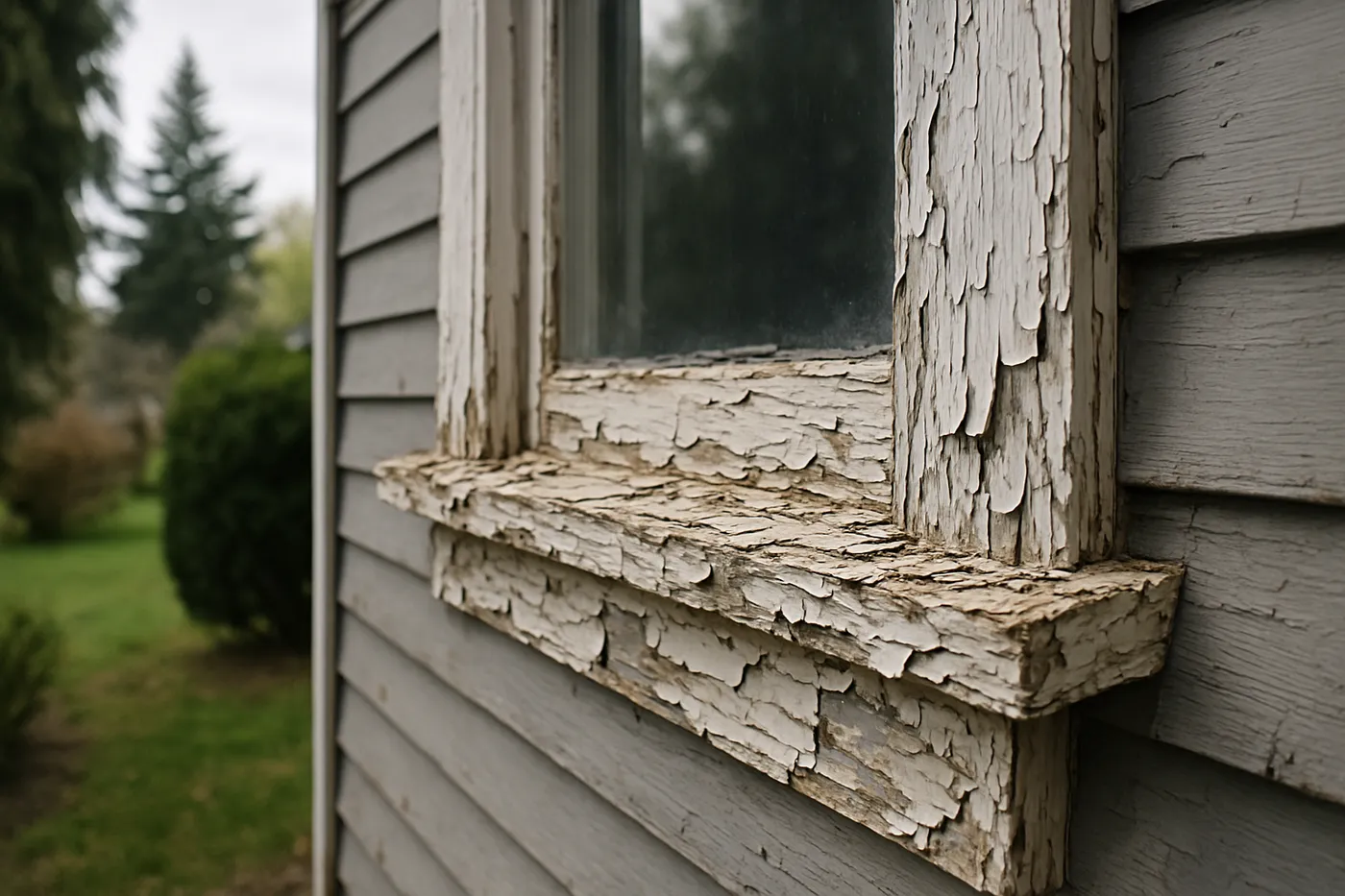
The older the home, the higher the likelihood, and the deeper the layers. A house from the 1920s has had more decades and more paint jobs than one from the 1970s, and lead can be hiding several coats down where you would never see it. The most common places to find it are high-friction and high-wear surfaces: window sashes and sills, doors and door frames, trim and baseboards, stair railings and porches, and exterior siding. These are also the surfaces most likely to be disturbed during a repaint or repair, which is exactly why testing them first matters.
Testing methods compared
There are three common ways to test, and they trade off speed, cost, and reliability.
| Method | How it works | Reliability | Best for |
|---|---|---|---|
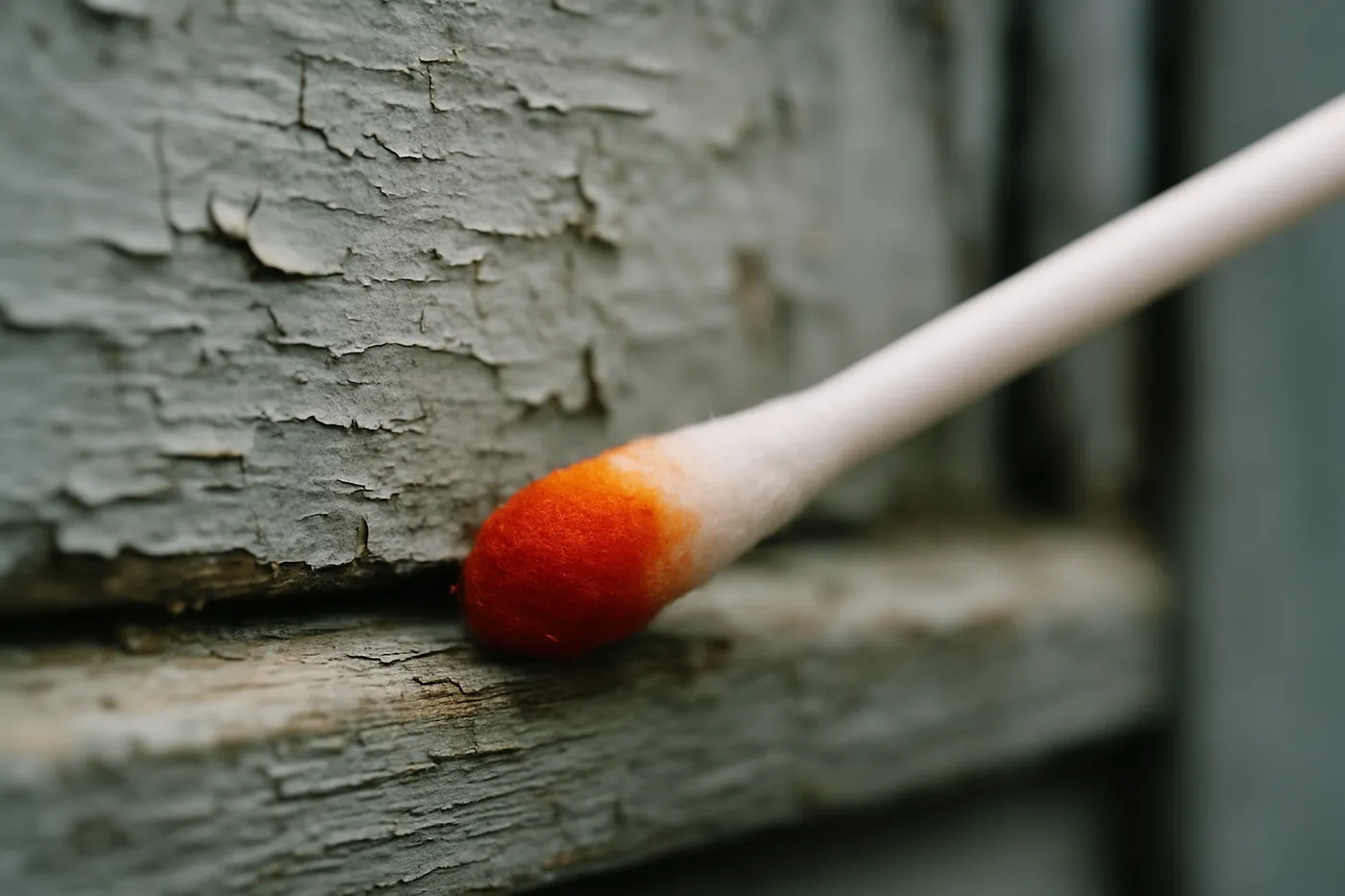
| DIY swab kit | EPA-recognized chemical swab changes color on contact with lead | Quick screen; can miss lead under upper layers | A fast first check by the homeowner |
| XRF analyzer | Certified inspector uses a handheld device that reads lead through layers, no damage | High; reads through paint layers | Whole-home professional inspection |
| Lab paint-chip test | A sample is removed and sent to a lab for analysis | High; lab-confirmed | Definitive confirmation of a specific surface |
A DIY swab is a reasonable first move and inexpensive, but it tests only the surface it touches and can miss lead buried under newer coats. For a reliable, whole-home answer, a certified inspection using an XRF analyzer or lab-tested chips is the dependable path, especially before a larger project.
Planning work on a pre-1978 home? We handle lead-safe work daily across the Seattle area. Get a free written estimate.
How much testing costs
DIY swab kits are inexpensive and available at hardware stores, which makes them a low-cost first screen. Professional inspection is priced by the size of the home and the scope of what needs testing, since a single window is a different job from a full interior and exterior survey.
We do not quote testing or the work that follows over the phone, because the right scope depends on the home. We provide a free written estimate for the project after assessing it on-site, so you know the real number before anything begins.
What to do if you find lead
If a test comes back positive, the most important thing is what not to do: do not sand, scrape, or dry-disturb the paint yourself. That is what releases lead dust into your home and yard.
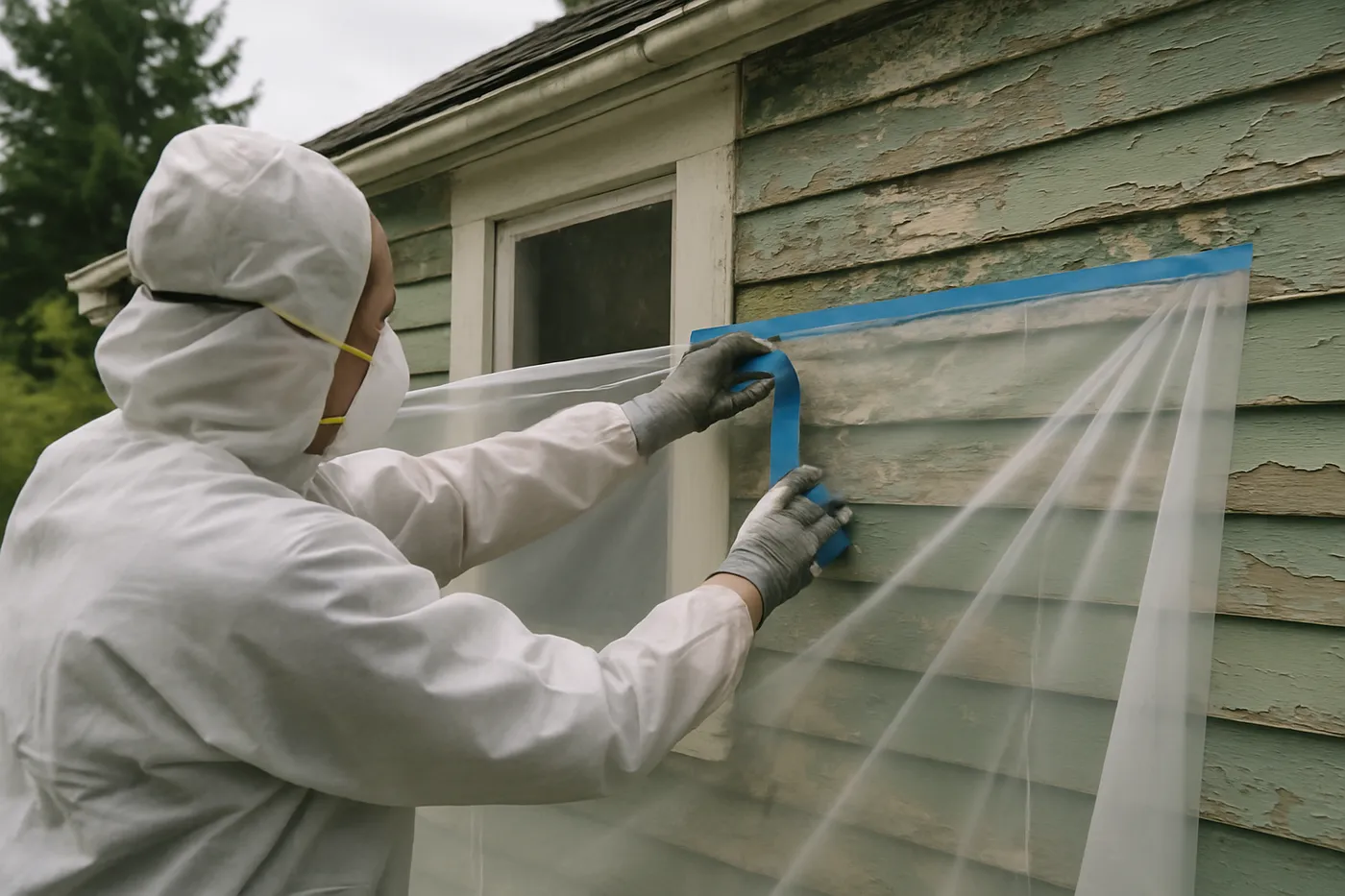
For pre-1978 homes, federal EPA Renovation, Repair, and Painting (RRP) rules require that work disturbing lead paint be performed by a certified firm using lead-safe practices, containment, dust control, and proper cleanup. The right next step is to hire an EPA Lead-Safe certified firm to handle the surface safely. From there, the work usually involves either sealing the stable paint or removing it under controlled conditions, which we cover in Painting Over Lead Paint: Safe Practices for Pre-1978 Homes.
Lead paint testing in the Seattle area
Greater Seattle has a large stock of pre-1978 homes, the craftsman, bungalow, Tudor, and midcentury houses that fill neighborhoods like Ballard, Green Lake, Edmonds, Kirkland, and Seattle proper. Lead paint is common on their original windows, doors, trim, and siding.
For repaints and carpentry on these homes, encountering lead is the rule, not the exception. That is why working with a crew that tests for it and is certified to handle it is not a niche concern here, it is standard practice for doing the work right on an older Seattle-area home.
How Hedlund does it
We are a licensed, bonded, and insured contractor of more than a decade, and we are an EPA Lead-Safe Certified firm with RRP-trained crews. We work on pre-1978 homes across Seattle and the Eastside constantly, so we know where lead hides and how to handle it: safe containment of the work area, controlled removal where needed, dust control, and proper disposal.
The reason we feature the EPA Lead-Safe credential so prominently is that disturbing lead the wrong way puts families at risk. Our certification number is available on request. The credential is the difference between a painter who says they are careful and a firm the federal government has certified to do this work.
“I had a 100+ year old craftsman painted this spring. The house had not been painted for 20 years and Hedlund painting did an amazing job repairing the siding, trim and painting the house.” Jason U., 5 stars (Google)
“Hedlund Painting did an excellent job on our 100 year old craftsman house in Green Lake.” Eliot B., 5 stars (Google)
For full details, see our EPA Lead-Safe Certified page. Related reading: How to Tell If You Have Lead Paint (and What to Do) and Painting Over Lead Paint: Safe Practices for Pre-1978 Homes. We also handle exterior painting, interior painting, and carpentry and wood repair.