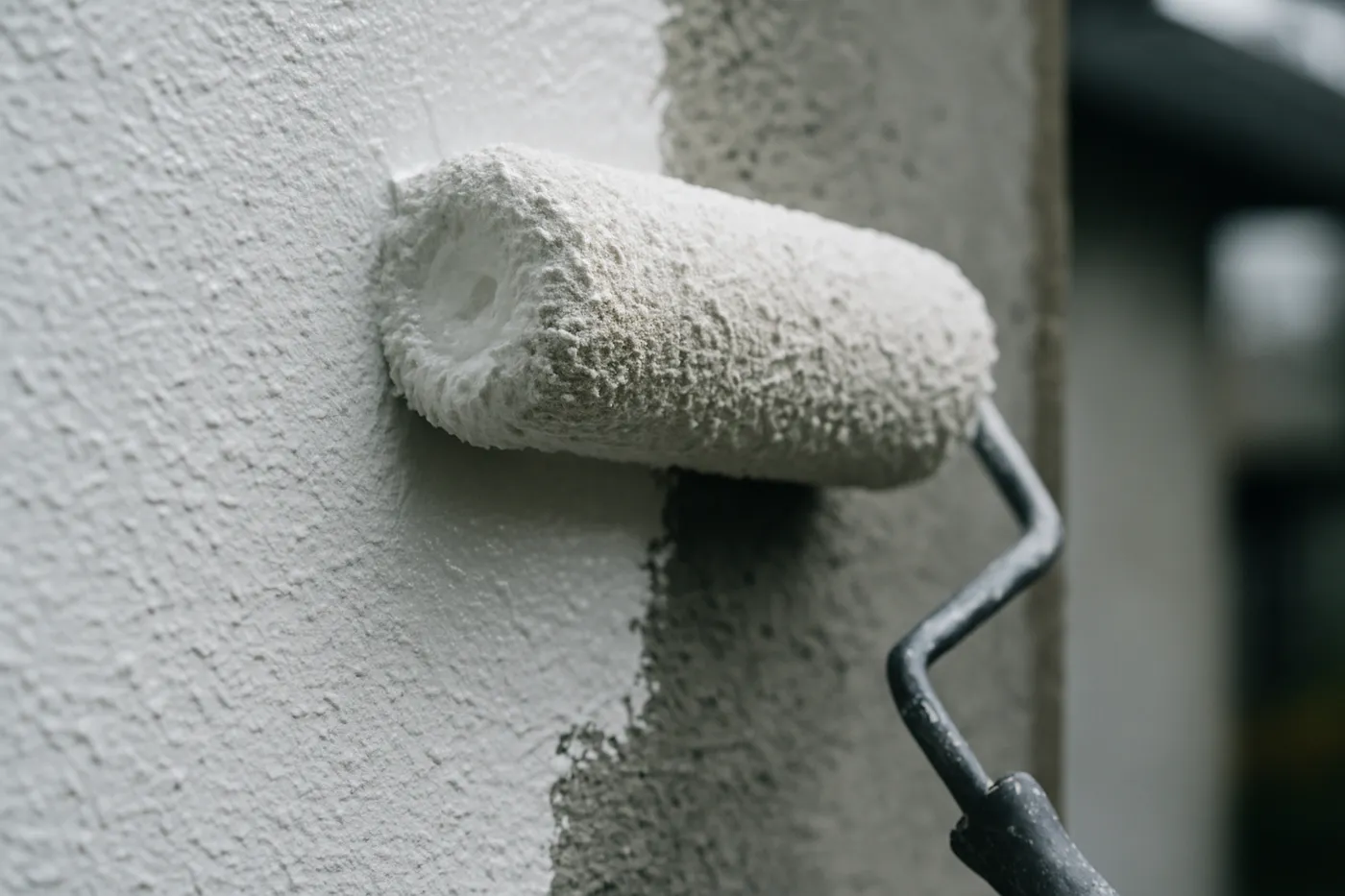

Faux is not a single look. It is a family of techniques built around one idea: depth and the illusion of another material, where flat paint would fall short. Done well, a faux finish reads as plaster, stone, aged metal, or weathered wood. Done poorly, it reads as a craft project. The difference is almost entirely in the hands applying it, which is why this is skilled work and not a roller-and-go job.
Common faux finish types
Each technique creates a different effect, and each one rewards practice. These are the finishes we are asked about most.
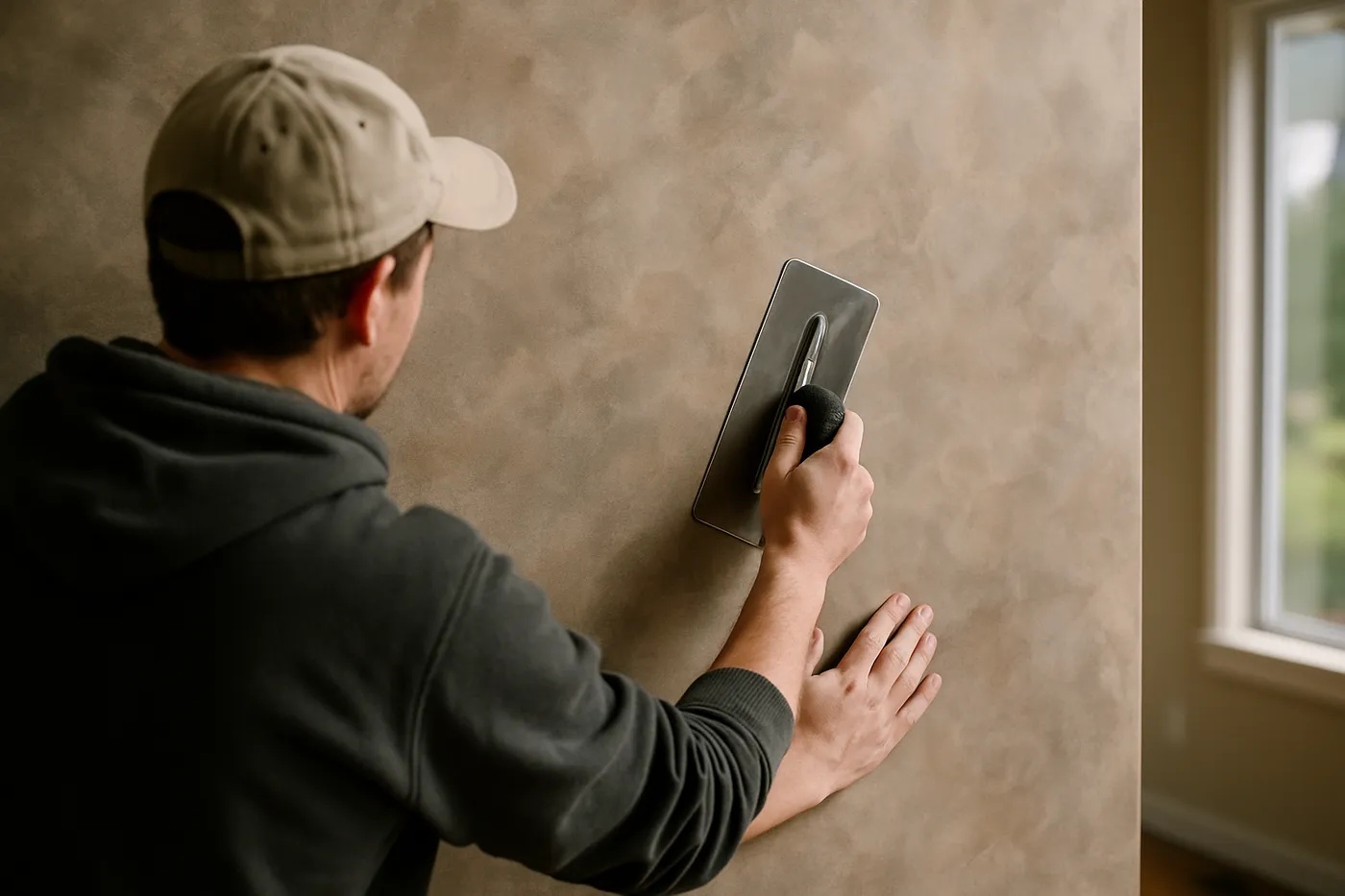
- Venetian plaster. Layered, polished plaster that builds a deep, marble-like sheen with real surface variation. It is the classic high-end interior finish for feature walls and entries.
- Limewash. A breathable, mineral-based coating that settles into a soft, cloudy, matte texture. It is having a strong moment in modern interiors for the quiet warmth it adds.
- Metallic finishes. Coatings with reflective pigments that shift with the light, used to add a subtle shimmer to accent walls, ceilings, and feature panels.
- Wood grain (faux bois). A hand-tooled technique that mimics the grain of real wood on doors, beams, and trim, useful when matching or extending existing woodwork.
- Marbling. Painted veining that imitates polished stone on mantels, columns, and panels where real marble is impractical.
- Color wash. Translucent layers of glaze brushed over a base coat for a soft, mottled depth that flat paint cannot reach.
- Strie. Fine, brushed striations that read as linen or raked plaster, common on accent walls and dining rooms.
- Aged stone and plaster. Distressed, weathered effects that suit period homes and rooms meant to feel established rather than new.
Where each finish works
Faux finishes earn their keep on feature surfaces, not on every wall in a high-traffic room. The point is contrast: one surface that draws the eye while the rest of the space stays calm.
The strongest candidates are accent walls, ceilings (a “fifth wall” people forget), fireplace surrounds, columns, and feature niches. An entry or a stairwell wall can carry a Venetian plaster or limewash treatment beautifully because you see it the moment you walk in. A dining room or primary bedroom suits a color wash or strie that adds warmth without shouting.
Where faux finishes get into trouble is high-traffic, high-abuse surfaces. Hallways with constant hand contact, kids’ rooms, and busy kitchens are usually better served by a durable standard finish, with the faux treatment reserved for one feature surface in the room. Match the technique to how the surface actually gets used, and the finish lasts and looks intentional.
Faux finish comparison
| Finish | What it mimics | Best surface | Durability note |
|---|---|---|---|
| Venetian plaster | Polished marble, deep plaster | Accent walls, entries, columns | Durable when sealed; a true plaster surface |
| Limewash | Soft, cloudy mineral wash | Feature walls, fireplaces | Breathable; ages gracefully, can be refreshed |
| Metallic | Shifting metal sheen | Accent walls, ceilings, panels | Good indoors; protect from heavy contact |
| Wood grain (faux bois) | Real wood grain | Doors, beams, trim | Durable with proper topcoat |
| Color wash / strie | Mottled depth, linen texture | Dining rooms, bedrooms | Standard interior durability |
| Aged stone / plaster | Weathered stone, old plaster | Period feature walls, mantels | Durable when sealed to the surface |
What it costs
There is no flat rate for a faux finish, and any contractor who quotes one over the phone is guessing. Cost depends on the technique, the square footage, the number of layers, the surface prep required, and the sheen or sealing system the finish needs. A single-layer color wash on one accent wall and a multi-layer polished Venetian plaster across an entry are very different jobs.
Rather than invent a number, we walk the space, look at the surface, and give you a free written estimate that reflects the actual technique and scope. No surprise change orders, and the price you see is the price we agreed to.
Thinking about a feature wall? We build sample boards before we commit anything to your wall, so you see the real finish first. Get a free written estimate.
Faux finishes in the Pacific Northwest
Greater Seattle’s long overcast winters leave interior light flat for months at a time, and flat paint can make a room feel flatter still. This is exactly where warm-toned limewash and Venetian plaster do their best work, adding perceived warmth and texture that a single matte coat cannot. A feature wall with real depth holds interest even under gray January light.
The region’s housing stock helps too. Older Seattle, Edmonds, and Kirkland homes, the craftsman, Tudor, and midcentury houses that fill these neighborhoods, pair naturally with aged-plaster, color-wash, and faux wood-grain treatments that suit their period character. The right faux finish does not fight an old home’s bones. It echoes them.
How Hedlund does it
Decorative finishes reward skilled crews, and that is the whole point of hiring out the work. We have been a licensed, bonded, and insured contractor for over a decade, and our crews treat faux work as the craft it is, not a quick upsell.
Before anything goes on your wall, we build sample boards so you can see the real finish, in your light, against your space. If you are still settling on direction, our color consultation is available as an add-on so the finish and the palette work together. Whether the surface is an interior feature wall or a specialty coating, we match the system to the job and back the work with a 10-year workmanship warranty.
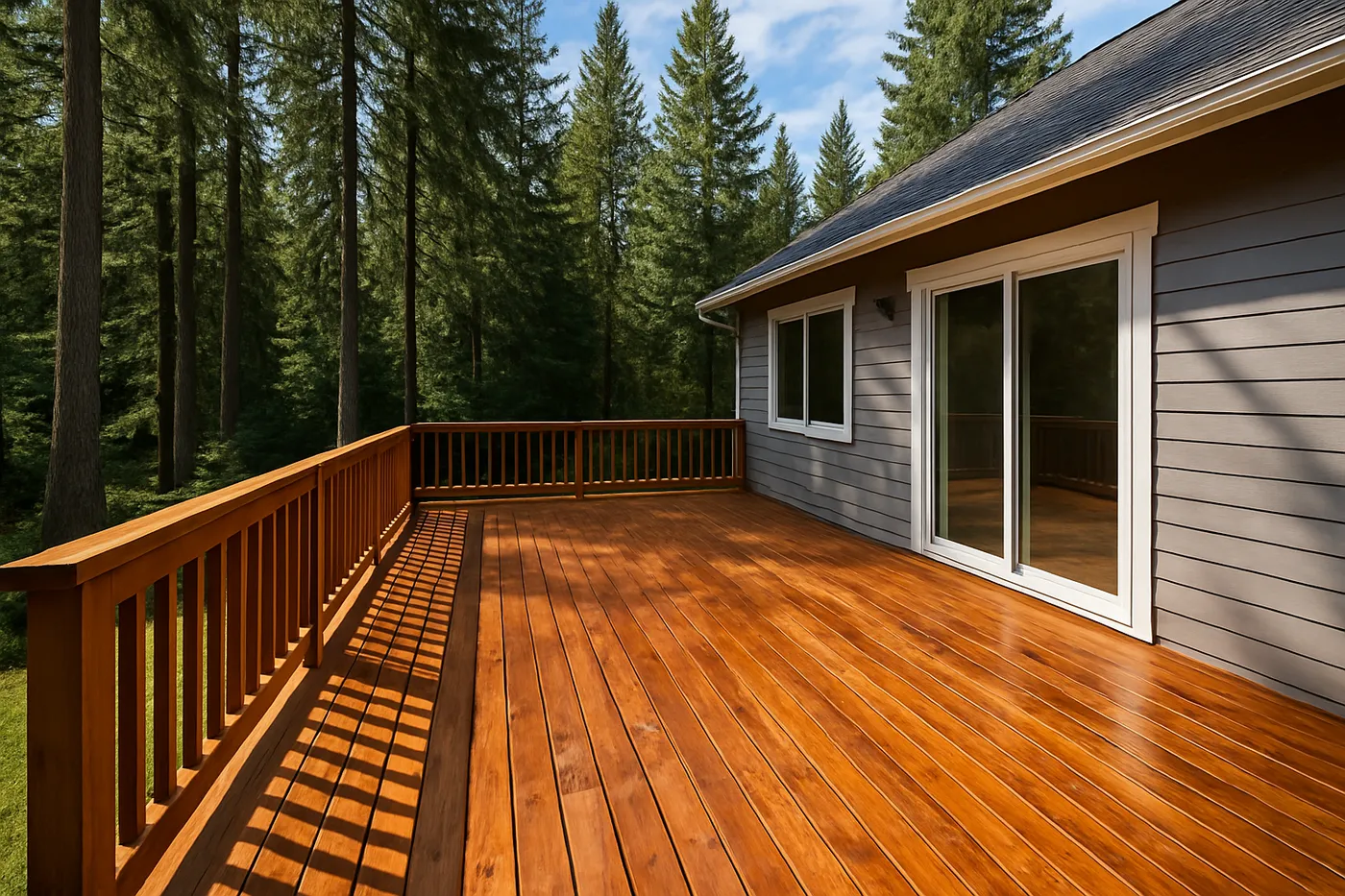
“First they refinished the big wood panels on our modern home (tricky as semi-transparent, looks awesome).” Sarah B., 5 stars (Google)
For the full range of specialty work, see our Specialty & Protective Coatings page and the dedicated faux finishes detail. Related reading: Elastomeric Coatings: Waterproofing for PNW Buildings and Fire and Intumescent Coatings: A Building Owner’s Primer.