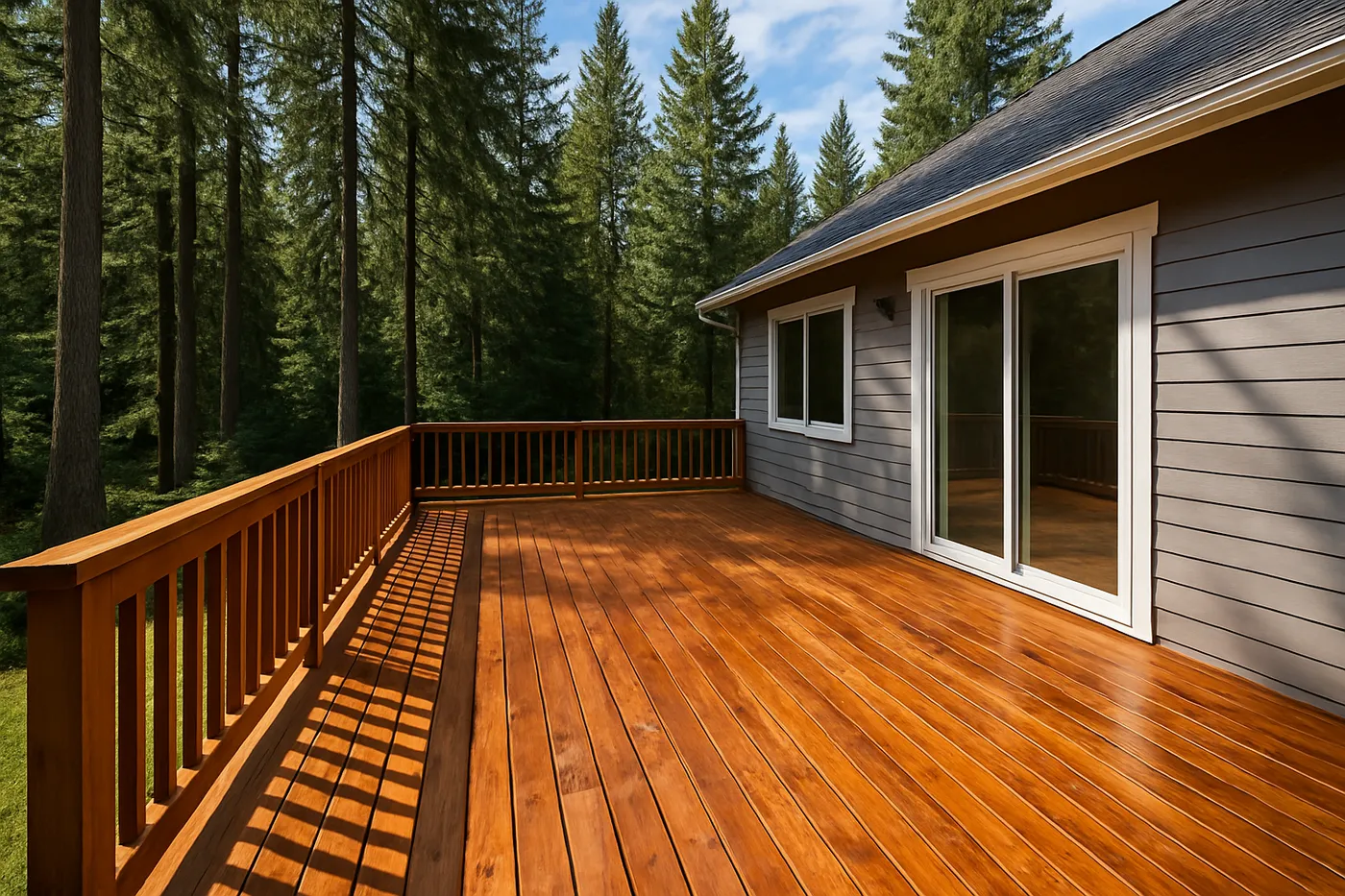

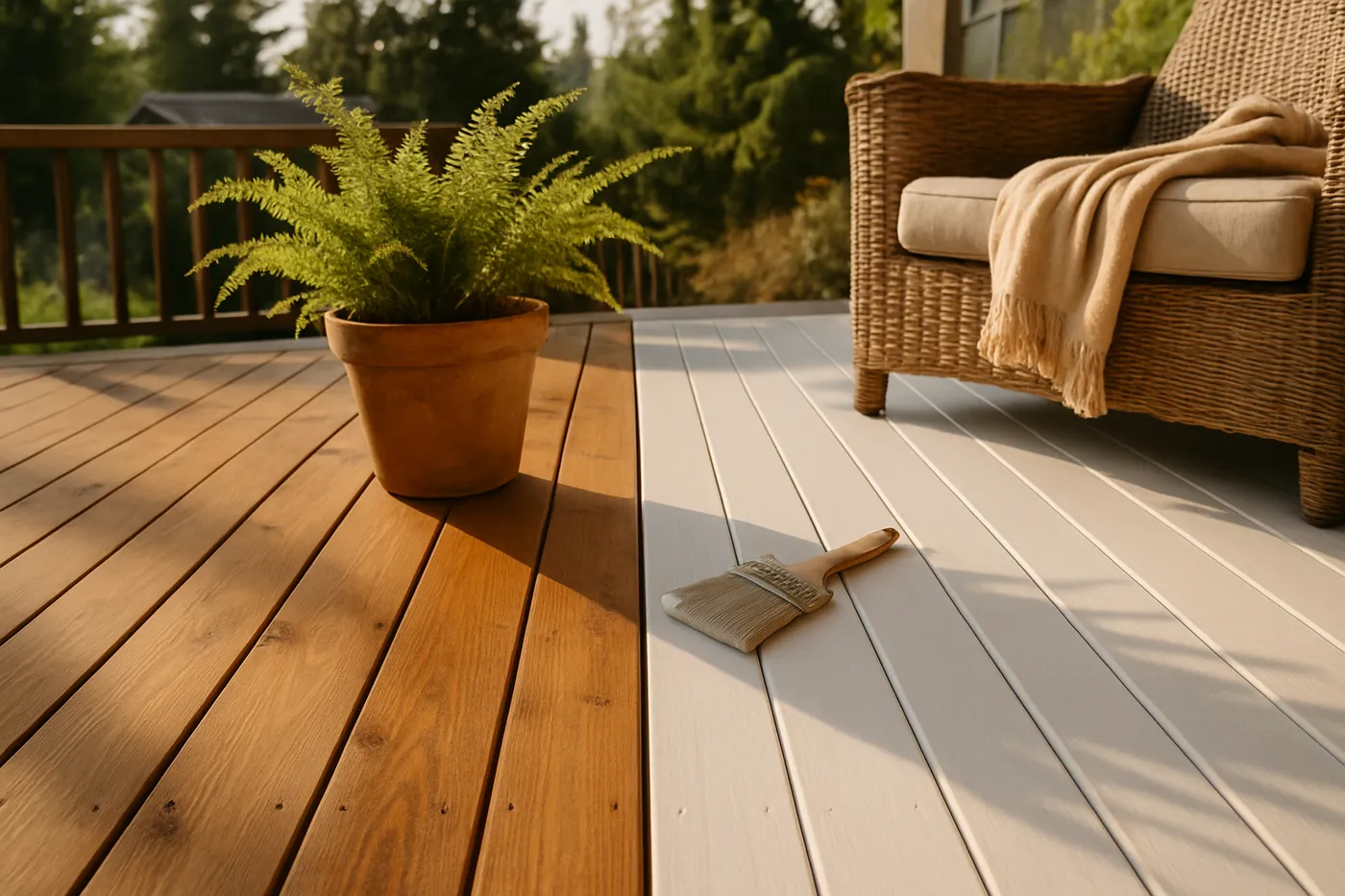
“Which lasts longer, stain or paint?” sounds like it should have a one-word answer. It does not, because the honest answer depends on what you mean by “lasts” and on which surface you are coating. On a vertical wall, paint can have a longer coat life. On a deck floor that takes foot traffic and Pacific Northwest moisture, stain wins in practice almost every time. After twelve years finishing decks across the Seattle area, here is the verdict surface by surface.
How stain wears vs. how paint fails
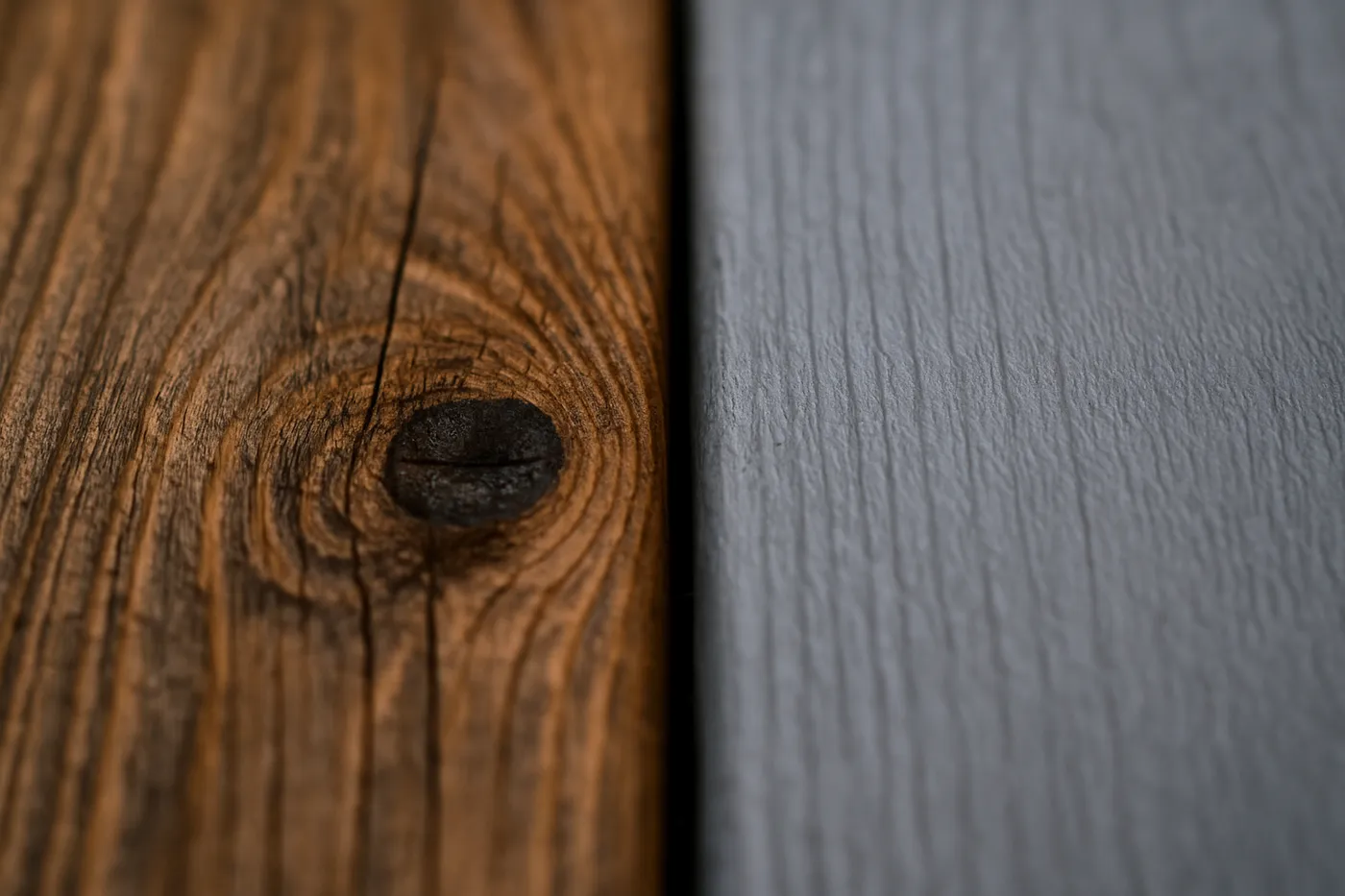
The two finishes do not just last different lengths of time, they reach the end of their life in completely different ways, and that difference is everything on a deck.
| Stain | Paint | |
|---|---|---|
| How it sits | Penetrates into the wood | Forms a film on the surface |
| How it ends | Fades gradually and evenly | Cracks, chips, and peels |
| Foot-traffic decks | Wears slowly underfoot | Wears through, then peels at edges |
| Trapped moisture | Breathes, lets wood dry | Traps water below, lifts the film |
| Recoating | Wash and re-coat | Strip, sand, then repaint |
| The grain | Shows through | Hidden under color |
A stain that fades evenly still looks acceptable as it wears, and refreshing it is straightforward. A paint film that cracks and peels looks worse the longer it goes, and fixing it means a full strip-and-sand before you can recoat. That is why a finish with a longer coat-life on paper can still be the worse choice on a deck.
When paint can make sense
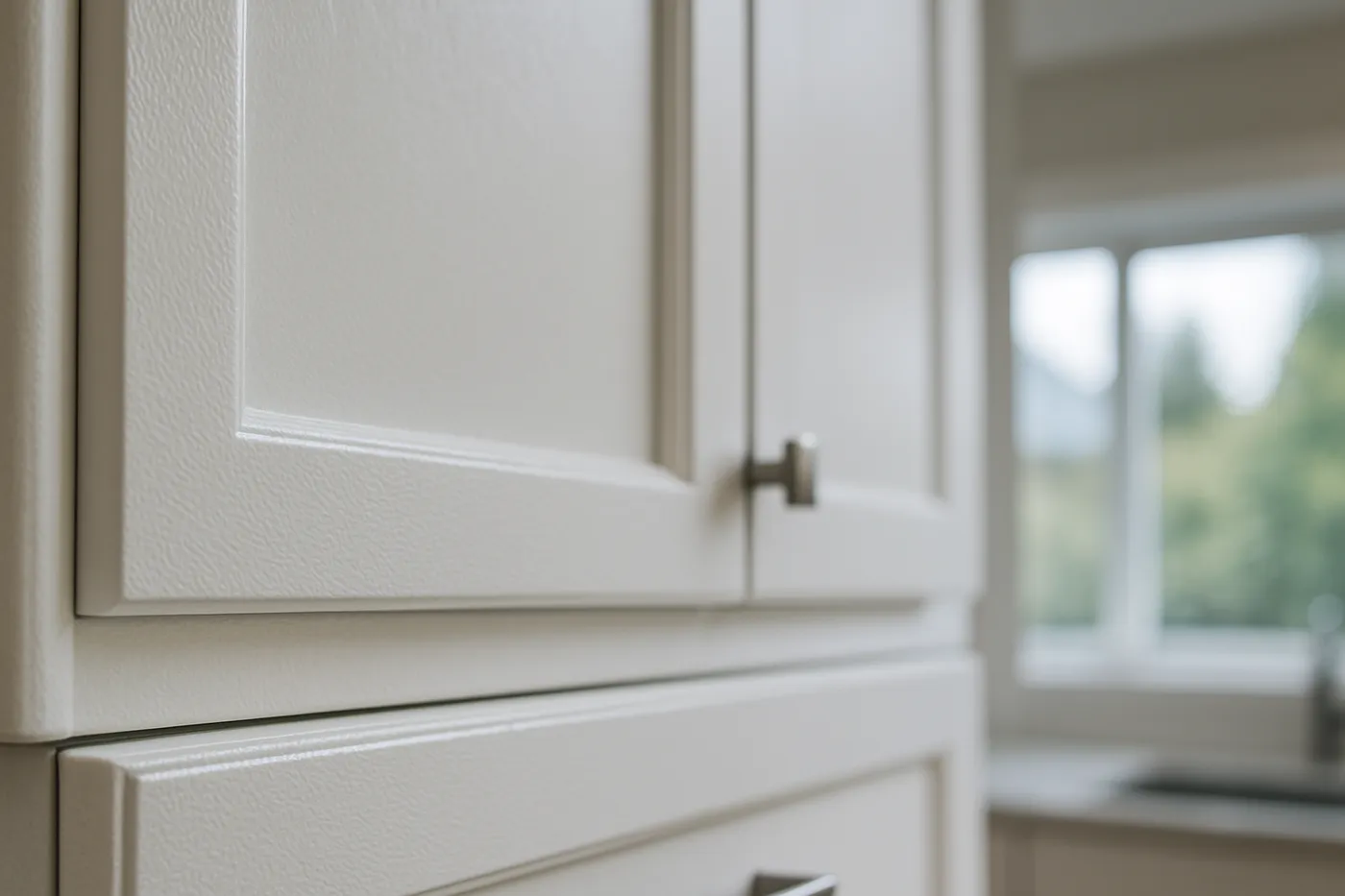
Paint is not the wrong answer everywhere. It can make good sense on:
- Railings. Vertical surfaces that do not take foot traffic and shed water rather than pool it.
- Fence boards. Vertical wood where you want opaque, uniform color.
- Already-painted decks. If the deck is already coated in paint, switching to stain means stripping first, so staying with paint can be the practical path.
- A specific color need. When you want full, opaque color coverage that stain cannot deliver.
The rule of thumb: paint suits vertical surfaces where water runs off, stain suits horizontal surfaces that get walked on and hold moisture.
The maintenance math
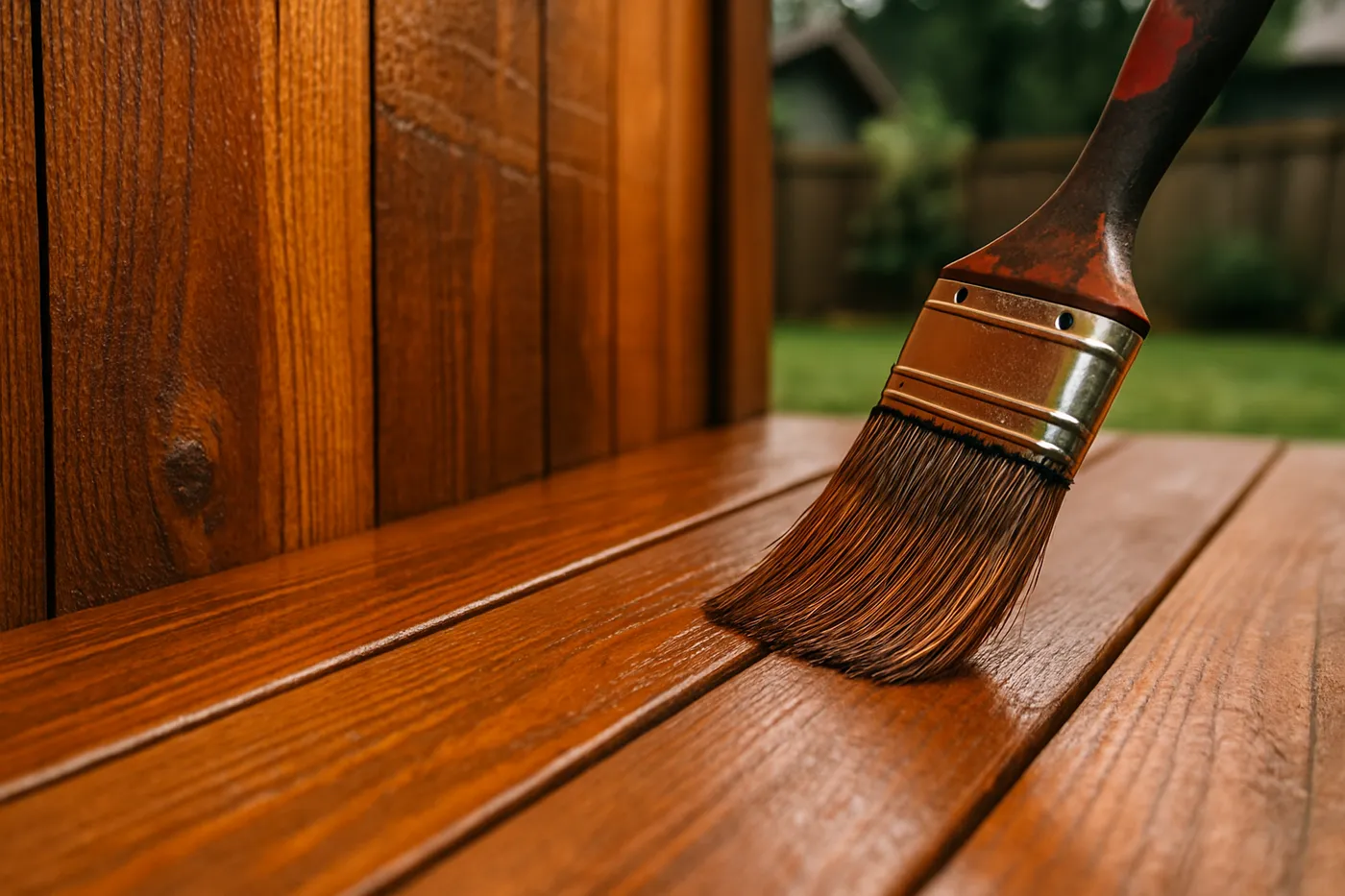
Over the years you own the deck, the real cost is maintenance, and the two finishes are not close. Re-staining is typically a wash and a re-coat: clean the boards, let them dry, apply fresh stain. Repainting a failed deck floor is a much bigger job: strip the old film, sand the surface smooth, then prime and repaint. One is an afternoon-scale refresh on a cycle; the other is a project. Stretched across the life of the deck, stain asks far less effort to keep looking right.
Not sure which finish fits your deck and railings? A free written estimate for deck and fence staining sorts it out. Call (206) 250-9193.
The Pacific Northwest angle
Our wet climate magnifies the difference. A paint film on a horizontal deck board traps moisture from below, ground dampness and rain that soaks the wood, and within a few seasons it peels, then demands a full strip-and-sand. A breathable stain on those same boards sheds rain and lets the wood dry, then re-coats with a simple wash. Where water does not pool, like railings and vertical fence boards, paint can still hold up fine. The surface, not a blanket rule, decides the finish. For the stains that survive our climate, see our guide to the best deck stain for Pacific Northwest weather.
How Hedlund advises
We match the finish to the surface instead of giving a one-size answer. On most projects that means stain on the deck floor and the right finish on railings and adjacent fencing, whatever protects and looks right for each surface. We wash, prep, and apply the correct product, then back the work with our 10-year workmanship warranty. We also advise on a realistic re-coat cadence, covered in how often you should re-stain a deck or fence in WA, so the protection stays intact.
“Hedlund Painting did a great job on my deck. Some boards were replaced and the entire deck was painted. In the process Rusty discovered that the lower deck needed some additional work not described.” Craig J., 5 stars (Google)
Learn more on our deck and fence staining service page. We serve Bellevue, Kirkland, and the greater Eastside.