
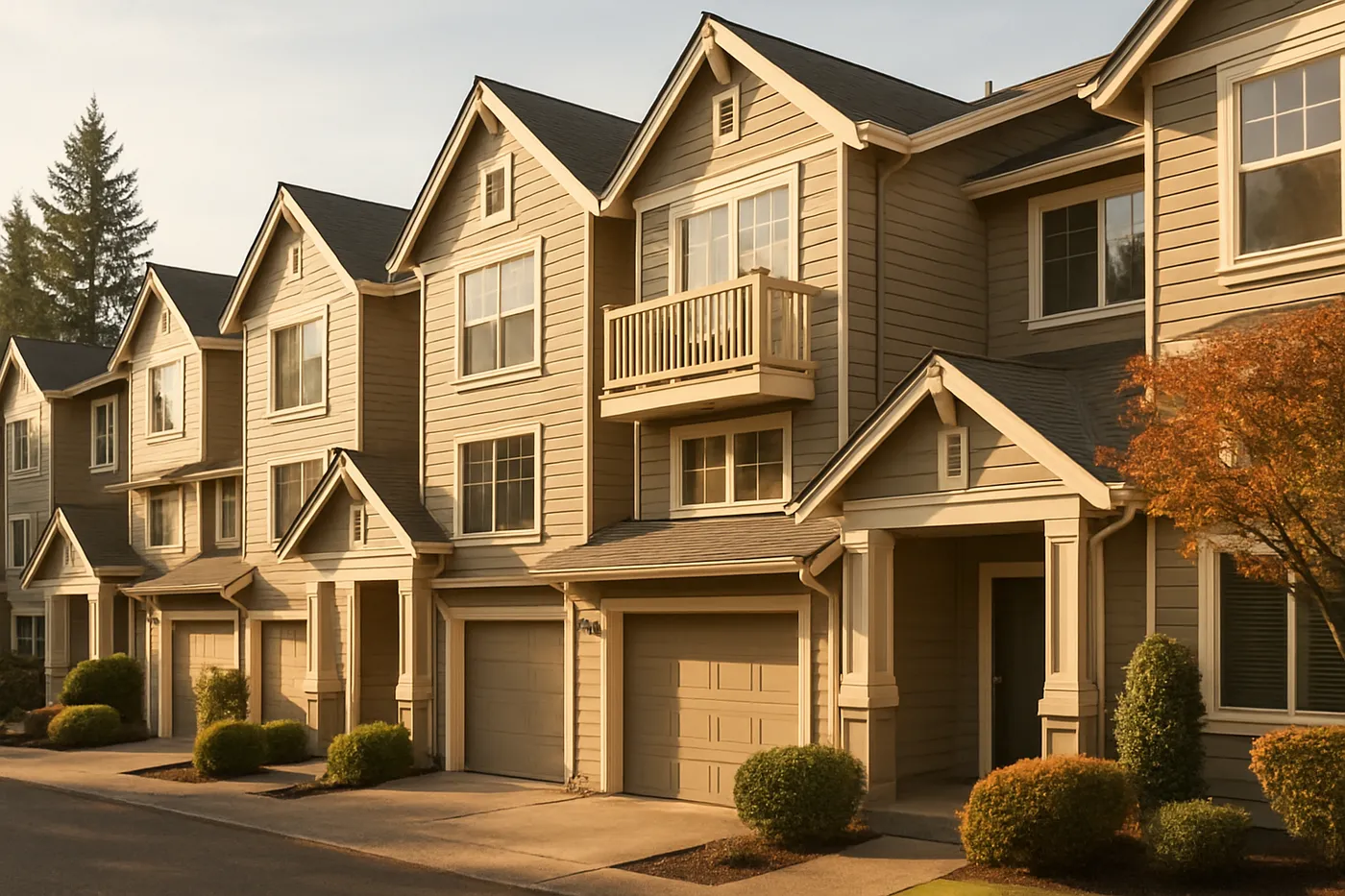
The difference between a smooth community repaint and a contentious one usually comes down to budgeting. A board that funds the paint cycle through reserves and budgets for the full scope is never surprised. A board that treats it as a one-time line item ends up reaching for a special assessment. Here is how to budget it right.
Reserve study and the paint cycle
An exterior repaint is a recurring, predictable expense, which makes it exactly what a reserve study exists to handle. The reserve study estimates the useful life of the paint and the cost to redo it, then sets the funding so the money is there when the cycle comes due.
Funding the cycle over time, a little each year, is how a board pays for a major repaint without a sudden hit to owners. The alternative, waiting until the paint fails and then scrambling, is what drives special assessments. Planning ahead is the cheaper and calmer path.
What drives a community repaint budget
The number is driven by several stacking factors:
- Building count and size. More buildings and more surface area, more cost.
- Surfaces. Siding type, trim, decks, and railings each carry different prep and coating needs.
- Height and access. Lifts and scaffolding for taller buildings add cost.
- Surface prep. Washing, scraping, and priming, the work that determines how long the finish lasts.
- Wood-rot and sealant repair. The single most variable line item, and the one most likely to blow a budget if it is not sized early.
- Coating spec. Higher-performance coatings cost more up front but can extend the cycle.
- Scheduling. Phasing around residents and the weather window.
Budget for the full scope, not just paint
This is the insight that protects a reserve. The budget that goes wrong is almost always the one that funded paint and forgot the rot. In the wet Pacific Northwest, wood-rot and sealant repair is where community repaint budgets blow up, because the damage is hidden until someone inspects for it.
The fix is to inspect early. An inspection sizes the rot and sealant repair before it becomes an emergency, so the reserve is built around the real scope instead of an optimistic guess. Budgeting for paint alone is budgeting for the part you can see and ignoring the part that costs the most.
Sizing your reserve for the next repaint? An early inspection and a detailed written estimate tell your board the real number, so reserves match reality. Call (206) 250-9193 or request a free estimate.
Cost planning ranges
Community repaint costs are quoted per building, per unit, or per square foot after an inspection. These are framing notes, not quotes, because a flat number misleads on a project this variable.
| Planning basis | What it reflects | Note |
|---|---|---|
| Per building | Whole-structure scope including repairs | Varies with size and condition |
| Per unit | Useful for owner-facing budgeting | Spreads cost across the community |
| Per square foot | Surface-area driven | Does not capture rot repair, the variable |
| Free written estimate | The real number for your property | No cost, after an on-site inspection |
Why a flat number misleads: two communities of the same unit count can differ enormously once one has significant wood rot and the other does not. Only an inspection sizes that gap.
Avoiding a special assessment
A special assessment is what happens when reserves fall short of reality. Boards avoid it by:
- Getting accurate estimates early, before the paint fails, so the reserve target is right.
- Funding the cycle steadily through reserves rather than waiting.
- Inspecting for rot before it becomes an emergency repair.
- Choosing durable coatings that extend the recoat cycle and lower lifetime cost.
The Pacific Northwest angle
The PNW climate shortens exterior repaint cycles and surfaces more wood rot and sealant failure than drier regions. That means Seattle-area HOA budgets should weight substrate repair and higher-spec coatings more heavily than a generic national figure would suggest. Budgeting for the local reality is what keeps a reserve accurate and a special assessment off the table.
How Hedlund helps boards budget
We run HOA and multifamily work across the Seattle area, and we help boards budget by doing the unglamorous part well: an early inspection that sizes the rot and sealant repair, a detailed written scope, and honest pricing up front. As a licensed contractor, we recommend durable coatings that extend the cycle and assign a named project manager. The estimate is free, and the number in it is the number your board can plan a reserve around.
What our clients say
“Hedlund recently completed a wood rot repair project at a community of 28 condos. The communication with Rigo and Vince throughout the course of the project was impeccable!” Meika L., 5 stars (Google)